





 Register
 Wishlist
 Contact Us


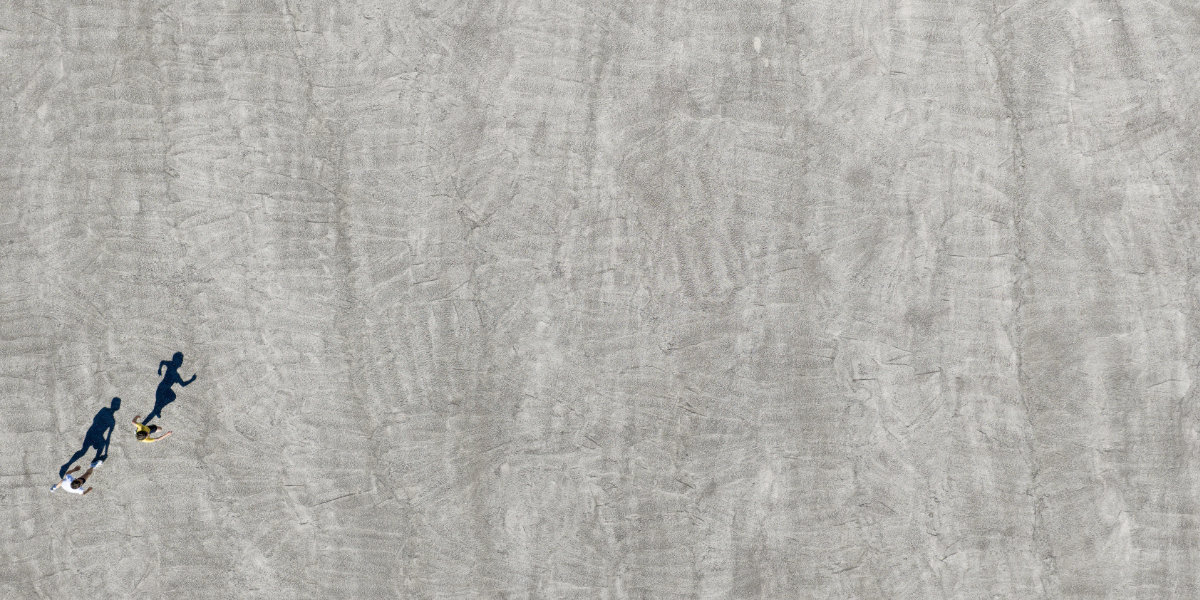
From July 4 to September 6, 2026, Gibellina will once again be transformed into a vast open-air museum with a new edition of Gibellina Photoroad, the festival dedicated to contemporary photography and visual languages in public space. The 2026 edition will be a special one, celebrating the festival’s tenth anniversary and forming part of the program of Gibellina Italian Capital of Contemporary Art.
Founded in 2016 by curator Arianna Catania, under her artistic direction, Gibellina Photoroad has established itself over the years as a unique project on both the Italian and international cultural scenes. It is not simply a photography festival, but a widespread, site-specific and participatory experience that connects images, architecture, urban memory and community.
Since its first edition, the festival has chosen Gibellina as an ideal laboratory for rethinking the relationship between photography and public space. The city itself is deeply connected to contemporary art, reconstruction and the cultural vision of Ludovico Corrao, who, after the 1968 Belice earthquake, imagined Gibellina’s rebirth through art, involving some of the most important artists of the twentieth century.
An Open-Air Festival Between Memory, Landscape and Community
Gibellina Photoroad is the first “open-air” festival in Italy dedicated to contemporary photography, and one of the few in the world with this distinctive vocation. The works are not simply displayed: they enter into direct dialogue with the city, occupying squares, windows, buildings, urban spaces and symbolic places.
Over the course of its editions, the festival has presented more than 150 exhibitions and site-specific installations, involving artists from all over the world and activating collaborations with major national and international institutions. Photography thus becomes a tool for moving through the city, rediscovering its architecture, listening to its stories and building new forms of connection between residents, visitors and the territory.
The 2026 edition confirms this identity, offering a program that reflects on themes of memory, belonging, transformation and rebirth.
The Exhibitions and Projects of the 2026 Edition
At the heart of the program is Ruins of Renewal, the new site-specific project by Dutch artist Erik Kessels, one of the most influential figures in contemporary photography. The work stems from research carried out together with the inhabitants of Gibellina through family albums and city archives, transforming private images into a collective experience. Conceived as a true “new square” near Piazza Beuys, the installation becomes a space to be lived: a place of encounter, memory and participation.
The theme of belonging also runs through RoundTrip by Alice Grassi, a project first developed in 2016 and now expanded. The work addresses youth emigration from Sicily through portraits of young people from Gibellina who left the city to study or work elsewhere. Installed in the windows of homes throughout the city, the images symbolically restore a presence to those who have left, transforming the urban center into an emotional map made of memories, returns and bonds.
With Alphabet, Teresa Giannico intervenes in the suspended and monumental space of the Teatro di Pietro Consagra, creating a visual alphabet that dialogues with the building’s Brutalist architecture. Fragments, images and suggestions invite the public to freely compose meanings and connections, giving shape to an open and personal exhibition experience.
Among the projects most closely linked to Gibellina’s identity is Between by Jacopo Di Cera, a video installation presented at the Fondazione Orestiadi and created during a residency at Alberto Burri’s Grande Cretto, with the direct involvement of the city’s inhabitants.
Between by Jacopo Di Cera: Everyday Life Within the Grande Cretto
The Grande Cretto by Alberto Burri is one of the most powerful works in the history of Italian contemporary art: a vast white surface that preserves the memory of old Gibellina, destroyed by the 1968 earthquake. It is a place where trauma has become form, silence and matter.
With Between, Jacopo Di Cera introduces a different kind of time into this monumentality: not the time of History, but the fragile, essential and continuous time of everyday life.
The six-screen video installation originates from a shooting session carried out at the Cretto, involving inhabitants of Gibellina from different generations. Elderly people playing cards, a woman carrying her shopping, a little girl riding a bicycle, a couple hanging out laundry, children playing football: simple, familiar and universal gestures that symbolically bring life back into a place created to preserve absence.
Filmed from above and presented in a loop, the scenes transform the Cretto into a constellation of small stages. Bodies and their shadows move through the space like suspended presences, creating a dialogue between past and present, collective memory and individual experience.
Between does not seek to erase the wound or recompose what has been lost. On the contrary, it opens up an intermediate space, a threshold between what no longer exists and what continues to happen. The Cretto is no longer only a monument, but an inhabitable place, crossed by ordinary gestures and by a renewed possibility of imagination.
Nature, Regeneration and Landscape
The program is completed by Redemption of Nature by Stefano Cerio, a project entirely supported by Strategia Fotografia 2025 of the Directorate-General for Contemporary Creativity of the Italian Ministry of Culture and created in collaboration with mudaC – Museo delle arti di Carrara.
Through photographs and videos made in Sicily and Sardinia, Cerio investigates the processes of nature’s regeneration after the major fires that have affected the Mediterranean in recent years. Installed outdoors in the landscape of Gibellina, the images offer a reflection on the climate crisis, environmental transformation and the ability of territories to be reborn.
During the festival, visitors will also be able to explore several permanent installations and projects already present in the city, including Una città quasi infinita by Paolo Ventura, the permanent photo mosaic Gibellina selfie by Joan Fontcuberta, Hollywood by Salvatore Di Gregorio and the participatory project Singolare Plurale: un ritratto per la città.
The Opening Program
The opening days, on July 4 and 5, 2026, will include meetings with artists and curators, guided tours, editorial presentations and moments open to the local community.
On July 4, at the MAC – Museo d’Arte Contemporanea Ludovico Corrao, meetings will be dedicated to Redemption of Nature with Stefano Cerio, Angela Madesani and Enzo Fiammetta, and to Anima with Alisa Martynova and Arianna Catania. In the afternoon, in Piazza Beuys, a guided tour of Ruins of Renewal with Erik Kessels will take place, followed in the evening by a celebration in the “new square”.
On July 5, at the Fondazione Orestiadi, the program will continue with the presentation of the book Il doppio e l’aterno. L’archivio di Giovanna Brogna/Sonnino, regista e artista visiva and a guided tour of Between with Jacopo Di Cera. In the afternoon, at Moma Cafè, visitors will be able to join a guided tour of RoundTrip with Alice Grassi.
On July 30, again at the Fondazione Orestiadi, the program will include the presentation of the artist’s book Ctonio and the presentation of the catalogue celebrating the festival’s ten years of activity.
Gibellina as an Open-Air Museum
Gibellina Photoroad 2026 does not merely celebrate an anniversary: it reaffirms the role of photography as a language capable of inhabiting public space, activating memories and creating new forms of participation.
In a city born from a wound and reborn through art, the festival continues to build a dialogue between past and future, images and architecture, community and landscape. Gibellina thus becomes, once again, a place to be crossed, observed and experienced: an open-air museum where photography does not simply tell the world, but encounters it.
