






 Register
 Wishlist
 Contact Us


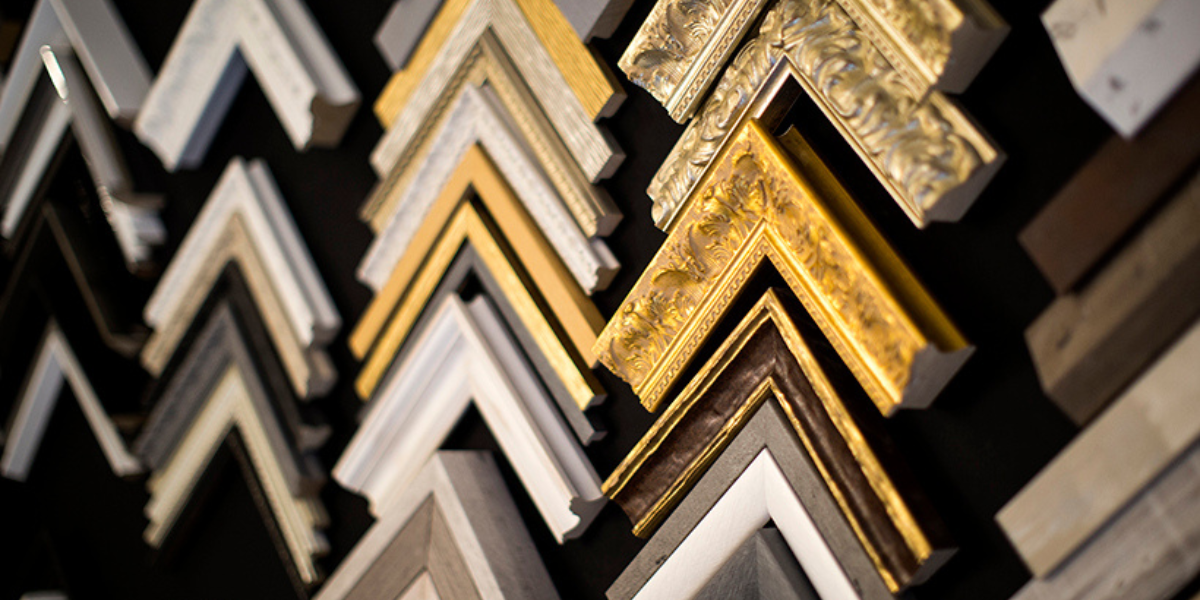
When observing a work of art, attention is naturally drawn to the subject, colors, technique, and the emotion it conveys. Yet, there is an element that is often underestimated but essential to its enhancement: the frame. It is not merely a decorative accessory, but a component capable of elevating, protecting, and completing the artwork itself.
The Frame as an Extension of the Artwork
A well-chosen frame is never neutral. On the contrary, it interacts with the artwork, amplifies its visual language, and defines its boundaries. It can highlight a style, create contrast or harmony, guide the viewer’s gaze, and even influence the perception of colors and proportions.
For example, a minimalist and clean frame can enhance contemporary or photographic works, leaving space for the expressive power of the image. Conversely, a more elaborate and decorative frame can enrich more traditional pieces, adding depth and visual importance.
Enhancing Without Overpowering
One of the most delicate aspects when choosing a frame is finding the right balance: the frame must enhance the artwork without ever overpowering it. A wrong choice risks distracting attention or, worse, compromising the overall impact.
To achieve a truly harmonious result, it is important to carefully evaluate several aspects of the artwork. Colors and tones, for instance, play a key role, as the frame can echo certain shades within the piece or create an elegant contrast that highlights its visual strength. Artistic style also plays a fundamental role: every artwork requires a frame capable of dialoguing with its visual language, enhancing its identity and contributing to a harmonious and balanced overall result.
Dimensions and proportions should not be overlooked either. A frame that is too thin or too dominant in relation to the artwork can alter its visual balance. Finally, the environment in which the artwork will be placed is also essential: the right frame not only enhances the piece itself but also helps integrate it coherently into the space, creating a natural dialogue with the décor and the atmosphere of the room.
Protection and Preservation
Beyond its aesthetic role, the frame also serves a fundamental protective function. High-quality materials, specific types of glass, and professional framing techniques help preserve the artwork over time, protecting it from dust, humidity, and UV rays.
This is particularly important for works on paper and photographs, which are more sensitive to external factors. A good frame, therefore, not only enhances but also contributes to the conservation of the artwork itself.
A Design Element
In the context of interior design, the frame also plays a strategic role. It can become an element of stylistic continuity between different artworks or help define the identity of a space. Choosing the right frame allows the artwork to be perfectly integrated into its environment, making it an integral part of the décor.
The Importance of Professional Consultation
Choosing the ideal frame is not always straightforward. Relying on professionals means benefiting from technical expertise, aesthetic sensitivity, and a wide range of customized solutions.
Every artwork is unique and deserves a tailor-made frame capable of enhancing its artistic and emotional value to the fullest.
